
Johann Sebastian Bach
Magnificat & Cantatas

Of all Bach’s major choral works, the Magnificat is the most concise, yet its compactness contains the full range of the composer’s profound expressiveness, reaching from the most intimate reflection to massed, fervent exuberance.
In setting the Magnificat text, the Latin version of Mary’s song of praise from the first chapter of St. Luke, Bach revelled in his love for musical symbolism: for picturing the words in a tonal equivalent.
Despite the relative brevity of the work, Bach attained astonishing variety and dramatic momentum. The orchestral scoring ranges from the full Bachian brilliance of three trumpets, two flutes, two oboes, bassoon, timpani, strings, and continuo, to the austerity of a continuo-only accompaniment for the bass aria. All of the choruses are for five partt choir, developing their texts with florid melismas, contrapuntal textures, and sturdy chordal declarations.
Cantatas 34, 86 and 74 are three cantatas for Pentecost, written between 1723 and 1729 whilst Bach was working in Leipzig at the Thomaskirche.
Soloists


Kate De La Haye
Soprano

Elaine Doublet
Soprano

Ellen Harvey-Hills
Soprano
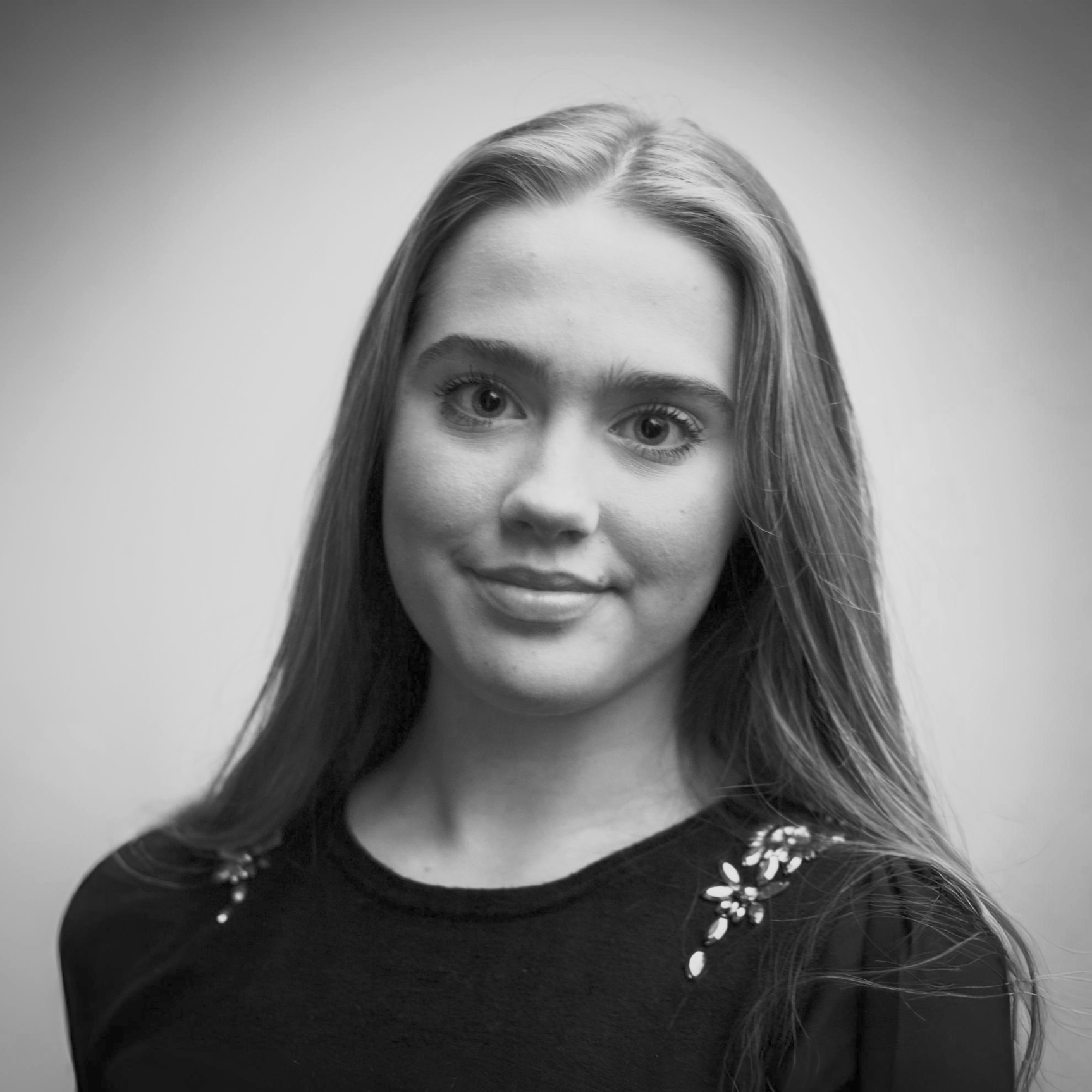
Omara Silvester
Soprano
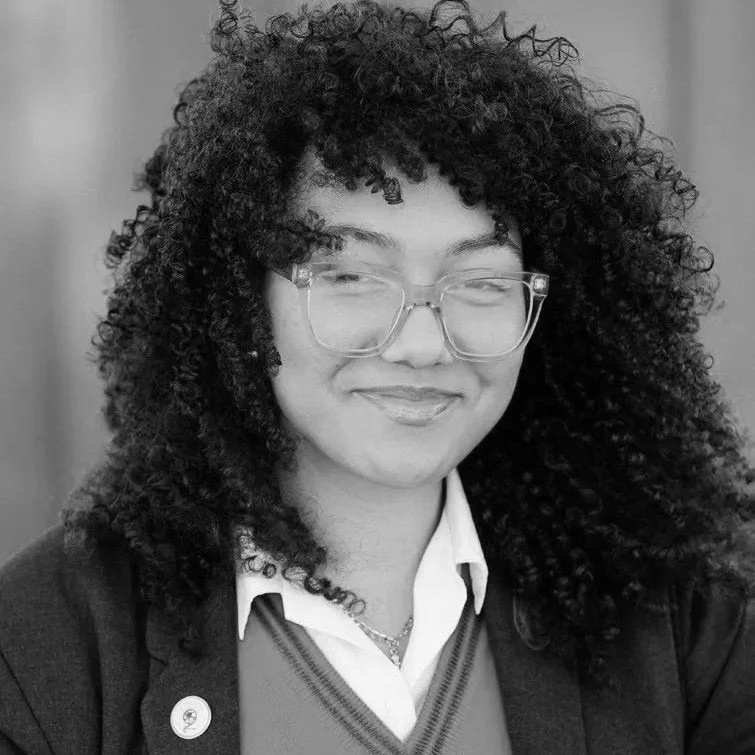
Savanna Vogt
Soprano

Rubie Le Masurier
Mezzo-Soprano

Judy Egré
Alto

Gillian Sawyer
Alto

Bill Byrne
Tenor

Kevin Jones
Tenor

Paul Craig
Bass

Andy Harris
Bass

Andreas Melchior
Bass
Henri Trepant
Bass
Orchestra
Violin I
Violin I
Violin I
Violin I
Violin II
Violin II
Violin II
Violin II
Viola
Viola
Cello
Double Bass
Double Bass
Oboe / Oboe d’amore / Cor Anglais
Oboe
Bassoon
Flute
Flute
Trumpet
Trumpet
Trumpet
Timpani
Organ
Fiona Nelson; Leader
Howard Le Cornu
Martin Marsay
Esther Tremeer
Angela Barnard
Phoebe Douglas
Vanessa Moore
Julie Riley
Emily Saunders
Ulrich Müller-Sedwick
Timothy Lin
Hugh Morshead
Sam Pugh
Sarah le Fondré
Wenceslao Conejero-Calderon
Colin Rowe
Katherine Grant
Emma Mwanga
Cai Isfryn
Joe Sharp
Toby Street
Chris Skelhorn
Graham Caldbeck